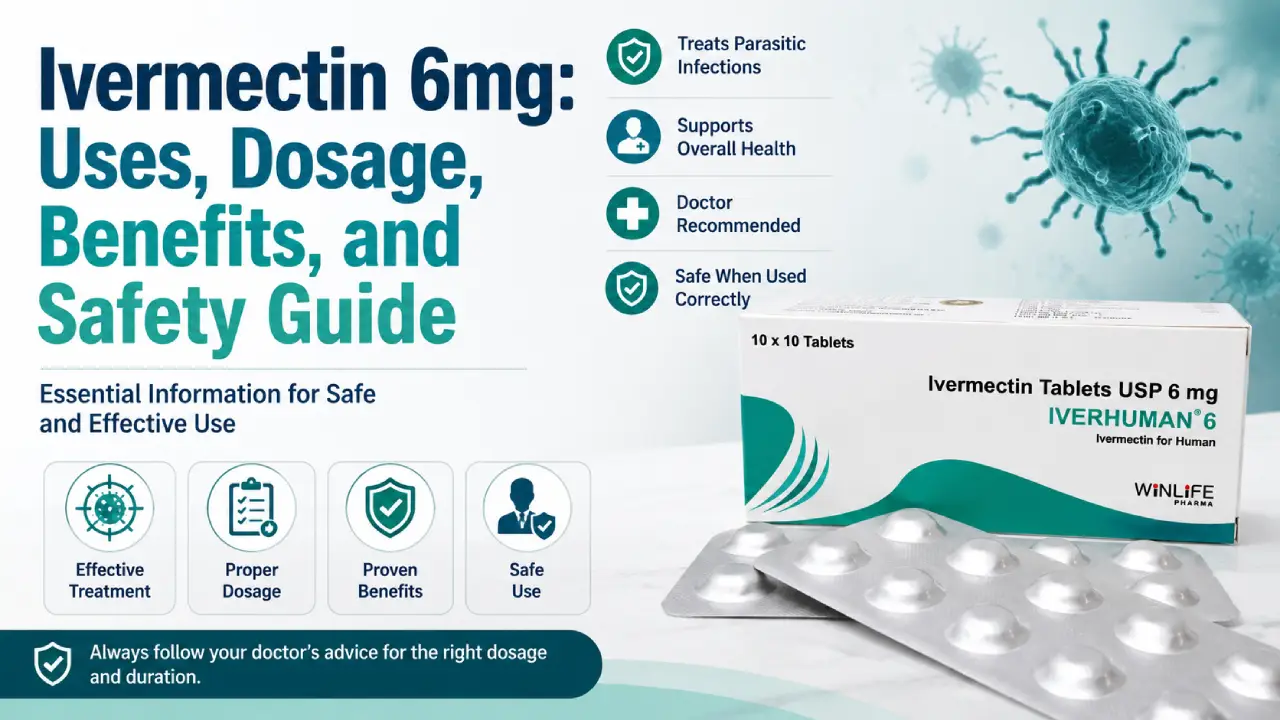
Ivermectin 6mg: Uses, Dosage, Benefits, and Safety Guide
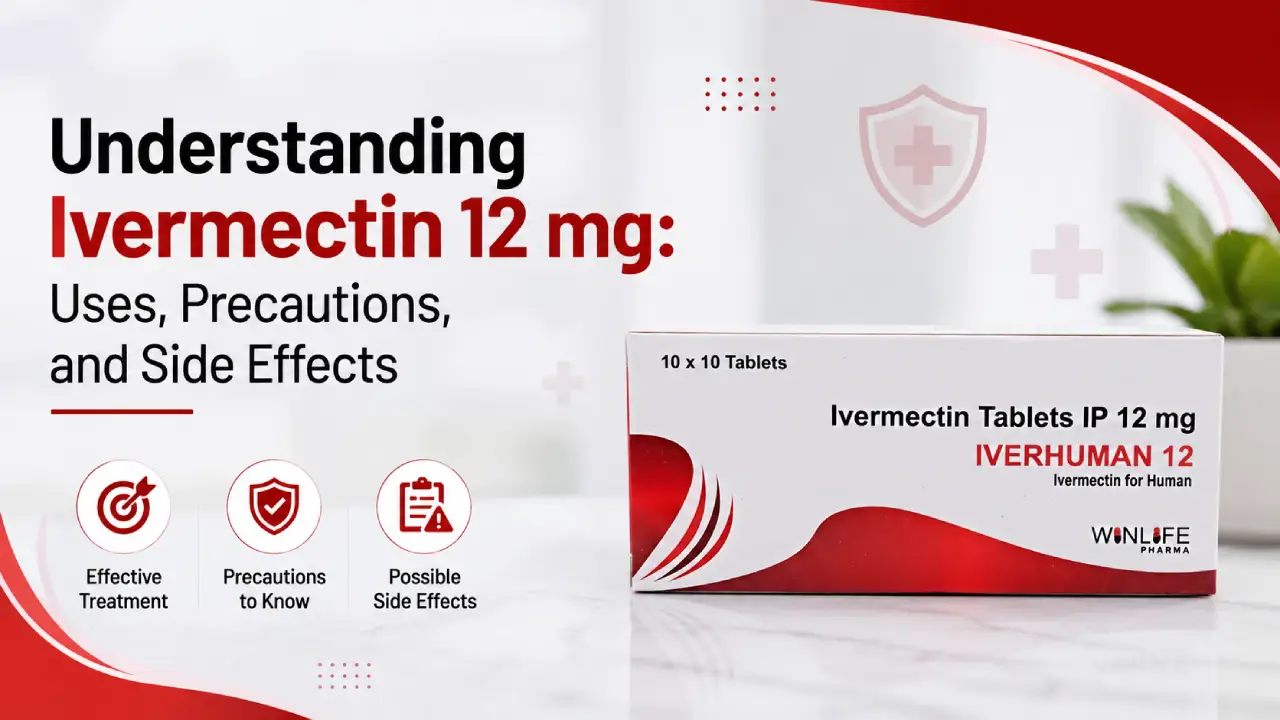
Chances are you’ve come across the name ivermectin somewhere online, on a forum, from a mate, or in a search that started with a different question entirely. It’s a real medicine with a real history, used for decades to treat parasitic infections. Ivermectin 6mg is one of the tablet strengths doctors sometimes prescribe as part of that treatment, but “sometimes prescribed” is the key phrase. It’s not something to pick up on a hunch.
This guide explains what the medicine actually does and where Ivermectin 6mg fits in. It won’t tell you what to take or how much; that’s a conversation for your GP or pharmacist, not a blog post.
What Is Ivermectin?
Ivermectin belongs to a group of antiparasitic drugs. It started life in veterinary medicine before researchers found human applications, and today it treats certain parasitic infections and infestations. The mechanism is fairly elegant; it targets the nervous system of parasites and effectively shuts it down.
It’s not a cure-all, and its use always comes back to a specific diagnosis. There’s also been plenty of online noise about ivermectin over the past few years, most of it unrelated to what it’s actually approved for. This article sticks to what’s medically established.
Ivermectin 6mg: Uses, Dosage, Benefits, and Safety
Ivermectin 6mg tablets are typically reserved for specific, doctor-diagnosed conditions rather than general use. Depending on the diagnosis, a doctor might prescribe ivermectin for things like:
- Intestinal parasitic infections, including strongyloidiasis
- Scabies that hasn’t responded to topical creams
- Other parasitic conditions, as determined case by case
There’s no “standard” Ivermectin 6mg dose that applies across the board. How many tablets, how often, and for how long depends on the condition, body weight, age, existing health issues, and whatever else the patient is taking. Because that calculation is so individual, ivermectin isn’t sold over the counter, and adjusting a dose yourself isn’t something anyone should attempt.
Why Dosing Isn’t One-Size-Fits-All
Two people diagnosed with the exact same infection can end up on different treatment plans. Kidney function, liver function, other medications- all of it feeds into what a doctor decides, the same way it would for many prescription medicines.
Ivermectin 6mg Tablet Uses
People searching for ivermectin 6mg tablet uses are usually trying to separate fact from noise, and fair enough, there’s a lot of it. In reality, established uses come down to specific parasitic infections, confirmed by a healthcare provider. Ivermectin isn’t meant for conditions it hasn’t been prescribed for, and it shouldn’t be used based on something read on a forum. If you’ve seen it recommended for anything outside its approved uses, that’s worth a healthy dose of scepticism and a chat with a pharmacist.
Ivermectin Dosage for Humans
Ivermectin dosage for humans generally starts from body weight, then gets adjusted for the condition and the person’s overall health. The type of infection, age, kidney and liver function, and other medicines all come into play.
None of that is something a person can work out on their own with any real accuracy, which is why following your prescriber’s instructions matters, not a friend’s old script, not a number found online. Self-medicating with ivermectin, including tweaking a dose without medical input, isn’t safe.
Understanding an Ivermectin Dosage Chart for Humans
You’ll probably run into an ivermectin dosage chart for humans if you keep digging. They’re useful for general education, a rough picture of how dosing can shift across weight ranges, but that’s all they are. A chart doesn’t know your medical history, doesn’t know what else you’re taking, can’t diagnose you, and doesn’t account for differences between formulations. Treat it as background reading, not a treatment plan. Only a doctor or pharmacist who’s looked at your specific situation can tell you what’s actually right for you.
How Does Ivermectin Work?
Put simply, ivermectin gets into a parasite’s nervous system and jams the signalling between nerve and muscle cells. The parasite is paralysed, and the body clears it out from there. Human cells aren’t nearly as vulnerable to this at therapeutic doses, which is a big part of why the medicine can be used safely, provided it’s taken correctly and under a doctor’s guidance.
Potential Benefits and Expected Results
When it’s used for what it’s actually approved for, ivermectin can clear up the infection it was prescribed for. That’s the whole story; the benefit is tied to the specific condition, not a broader wellness promise. How well and how fast it works depends on severity and whether the full course gets finished as directed. It’s not a supplement and shouldn’t be treated like one; any claim suggesting otherwise deserves scepticism.
Possible Side Effects and Safety Precautions
Side effects vary from person to person. Common ones tend to be mild: nausea, an upset stomach, diarrhoea, dizziness, headaches, maybe some itching or a rash. Less common but more serious: severe allergic reactions or neurological symptoms. Sudden trouble breathing, swelling around the face or throat, intense dizziness, or confusion after taking ivermectin is a get-help-now situation. Even the milder stuff is worth mentioning to your doctor or pharmacist.
Drug Interactions and Important Precautions
Tell your doctor or pharmacist about everything you’re taking; prescriptions, over-the-counter stuff, herbal remedies, supplements, all of it. Liver conditions are worth flagging too, since the liver processes the drug. Don’t mix ivermectin with other medicines unless someone qualified has confirmed it’s fine. A proper conversation with a pharmacist beats guesswork every time.
Who Should Avoid or Use Extra Caution With Ivermectin?
A few groups need a closer look before ivermectin comes into the picture: kids, older adults, anyone pregnant or breastfeeding, people with liver conditions, and anyone juggling several other medications. None of this rules ivermectin out automatically; it just means the decision needs a doctor’s input, not a guess.
Ivermectin Where to Buy
Here’s a question that comes up a lot: ivermectin where to buy, safely, in Australia. The short answer is a registered pharmacy, with a valid prescription from a doctor or authorised prescriber. It’s a prescription-only medicine here, full stop.
Stick to licensed pharmacies; they’re regulated for a reason. Be wary of any site selling ivermectin without asking for a script, or pricing it suspiciously low; that’s often a sign of counterfeit or mislabelled stock. Genuine pharmacy products come with proper packaging, clear expiry dates, and traceable batch numbers. Skipping the prescription step isn’t a shortcut worth taking.
A Note on Sourcing Information Responsibly
If you’re reading up on Ivermectin 6mg, or on ivermectin capsules and similar products, pay attention to where that information, and any actual product, is coming from. A legitimate pharmacy site points you toward a proper consultation, not straight to an ivermectin buy or ivermectin buy online button with no questions asked. Check the seller is registered, confirm a prescription is genuinely required, and run it past a pharmacist or doctor before purchasing. A site that skips all that is a warning sign, not a shortcut.
Safe Use and Storage Tips
Once you’ve actually been prescribed ivermectin: follow the instructions exactly, don’t stop early just because symptoms improve, store the tablets somewhere cool and dry out of direct sunlight, keep them well away from kids, check the expiry date before taking anything, and return whatever’s left over to a pharmacy instead of binning it.
Frequently Asked Questions About Ivermectin 6mg
1. What is Ivermectin 6mg used for?
Mainly specific parasitic infections or infestations, like certain intestinal parasites or scabies, once a doctor has confirmed the diagnosis.
2. How does ivermectin work?
It disrupts a parasite’s nervous system, paralysing it so the body can clear the infection naturally.
3. What is the ivermectin dosage for humans?
It depends on the condition, body weight, age, and general health. There’s no universal dose; a healthcare professional works it out.
4. Is ivermectin dosage based on body weight?
Partly, yes. Body weight is one factor among several, alongside the condition being treated and overall health.
5. Can everyone take ivermectin?
No. Kids, pregnant or breastfeeding people, and those with certain health conditions need extra care, and some shouldn’t take it at all without close supervision.
6. What are the common side effects of ivermectin?
Nausea, diarrhoea, dizziness, headaches, and mild skin irritation are the usual ones. Serious reactions are rarer but need urgent attention.
7. What should I consider when searching for where to buy ivermectin?
Stick to a registered pharmacy and a valid prescription. Be suspicious of sellers skipping either of those, or products missing clear labelling and expiry dates.
8. Should I take ivermectin without medical advice?
No. Whether it’s Ivermectin 6mg or another strength, it needs a qualified professional to confirm it’s right for you and work out a safe dose.
Conclusion
Ivermectin has a real, established place in medicine, but Ivermectin 6mg isn’t something to approach casually. It’s a prescription medicine with genuine benefits when used for the right condition, at the right dose, under proper medical supervision, and genuine risks when it isn’t. The safest way to use it is also the simplest: get a proper diagnosis, follow your doctor’s or pharmacist’s instructions exactly, and buy only from a registered pharmacy with a valid prescription. Skip the shortcuts, skip the unverified sellers, and skip the self-medicating. Your health is worth the extra step of doing it properly.
Medical Disclaimer: This article is general information only and doesn’t replace professional medical advice. Ivermectin should only be taken as prescribed and directed by a qualified healthcare professional. Speak with your doctor or pharmacist before starting any medicine.
| Field | Details |
|---|---|
| Written By | Dr. Michael Anderson |
| Checked By | Dr. Daniel Thompson |
| Published Date | 2 September 2026 |
| Next Reviewed | January 2027 |
| Category | Sleep Health |
| Reading Time | 7 min |