How to Improve Sleep Quality: Simple Habits That Really Help

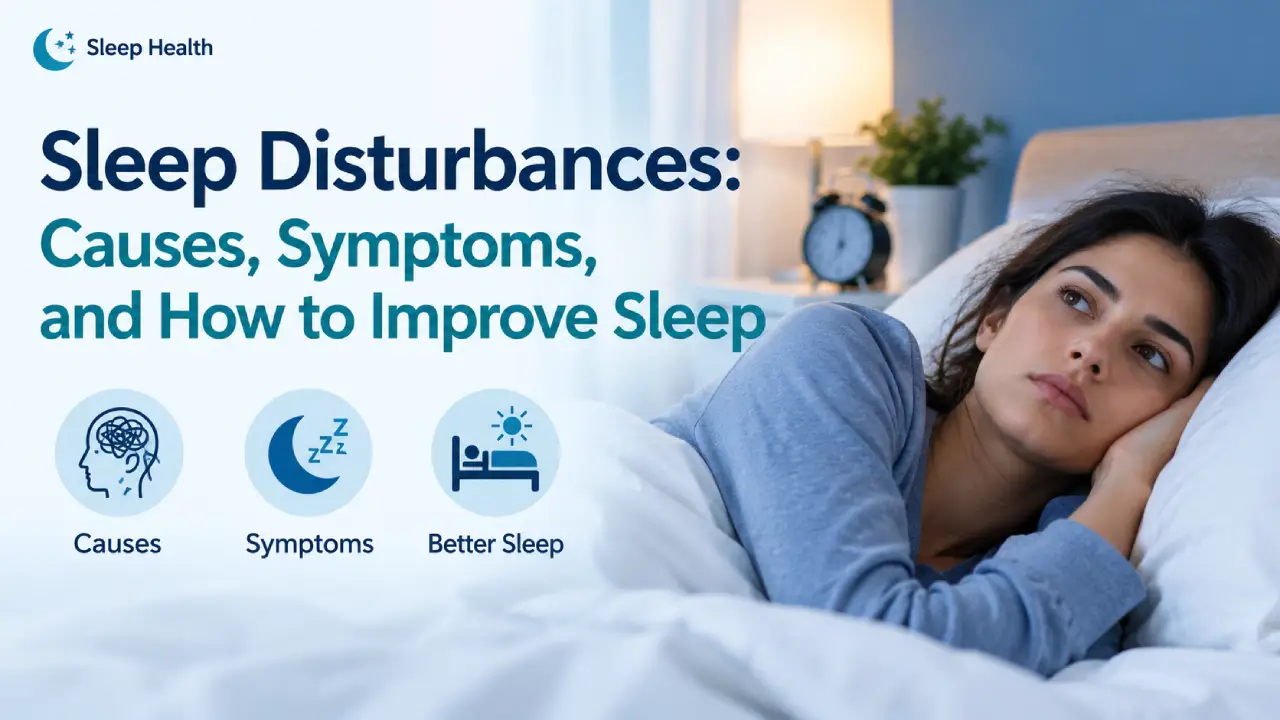
You know that feeling when you’ve technically slept eight hours, but you still feel like a zombie shuffling around the kitchen looking for the coffee? That’s the gap between sleep quantity and sleep quality, and it trips up a huge number of Australians. The habits we keep during the day, not just the ten minutes before bed, shape how well we actually sleep. If you’re trying to improve sleep quality, the good news is that it rarely takes anything drastic. Mostly it’s a handful of small, boring, repeatable habits. Let’s get into what actually helps, and when it’s worth talking to someone instead of just powering through.
What Does Good Sleep Quality Mean?
Sleeping for eight hours doesn’t guarantee you’ll wake up feeling human. That’s because duration and quality aren’t the same thing, even though we tend to lump them together.
Duration is simple maths: just add up the hours. Quality is messier. It comes down to things like whether you drift off without lying there for forty minutes, whether you stay asleep instead of waking up at 3 am for no obvious reason, and whether your body actually cycles through the deeper stages of sleep the way it’s meant to.
You’ve probably noticed the difference yourself. After a decent sleep, you wake up without too much fuss, you’re reasonably switched on within half an hour, and your energy doesn’t completely tank by 2 pm. After a bad one, you might have tossed and turned all night, woken up several times, or just opened your eyes already exhausted before the day’s even started.
This isn’t just about feeling groggy either. Sleep that’s genuinely restorative supports memory, mood, and concentration, and plays a part in keeping your immune system ticking along. So chasing better sleep quality, rather than just more hours in bed, is usually the smarter goal.
Improve Sleep Quality With Healthy Sleep Habits
There’s no single trick that works for everyone here, but a few habits keep coming up again and again in sleep research, and they’re worth trying if you’re after ways to improve sleep quality:
- Try to wake up and go to bed around the same time each day, weekends included, even if that feels like a big ask.
- Give yourself some kind of wind-down period before bed, whether that’s a book, some stretching, or just dimming the lights and slowing things down.
- Keep the bedroom cool and dark. A stuffy, bright room fights against sleep more than people realise.
- Ease off screens for the last hour or so before bed.
- Watch your caffeine, particularly anything after lunchtime.
- Skip the big, heavy dinner right before you turn in.
- Get some kind of movement into your day; it doesn’t need to be a gym session.
- Grab some daylight, ideally in the morning.
- Go easy on afternoon naps, especially long or late ones.
None of this is a checklist you complete once. It’s more like a rotation of habits you keep chipping away at over weeks and months.
Recommended Sleep Duration by Age
Quality matters more than the raw number, but it still helps to have a rough baseline for how much sleep your age group typically needs.
| Age Group | Recommended Sleep Duration |
|---|---|
| School-age children (6-12 years) | 9 to 12 hours |
| Teenagers (13-17 years) | 8 to 10 hours |
| Adults (18-64 years) | 7 to 9 hours |
| Older adults (65+ years) | 7 to 8 hours |
Treat these as general guides. Plenty of people function fine slightly outside these ranges.
10 Simple Ways to Improve Sleep Quality
If you want something more hands-on to work through, here’s a list worth trying. Not every point will suit every person, so treat this as a menu rather than a rulebook.
- Stick to a regular sleep schedule. Same bedtime, same wake time, most days.
- Build a wind-down routine. Even five or ten minutes of something calm helps signal that sleep is coming.
- Sort out your bedroom. Dark, quiet, cool. Simple, but it works.
- Cut back on evening screens. Your brain doesn’t switch off as easily when it’s staring at a bright phone.
- Rein in caffeine. That afternoon coffee might still be in your system come bedtime.
- Move your body. Regular activity during the day is linked to deeper sleep at night.
- Get outside in the morning. Natural light helps anchor your body clock.
- Don’t eat a huge meal right before bed. Give your digestion some breathing room.
- Deal with stress earlier in the evening, not right as you’re trying to fall asleep.
- Keep naps short and early. A quick twenty minutes after lunch beats a two-hour snooze at 5 pm.
Again, these aren’t guaranteed fixes. What works brilliantly for your mate might do absolutely nothing for you, and that’s normal.
How Your Daily Routine Can Affect Sleep
Sleep doesn’t just happen at night; it’s shaped by everything you did that day. Staying active generally supports better sleep, though for some people exercising too late in the evening leaves them wired instead of tired, so timing matters.
Light exposure is one of those things people underestimate. A bit of morning sun helps keep your circadian rhythm on track, which flows on to better sleep later.
Food and drink timing plays a role too. Eat a heavy dinner too late, and your body’s still busy digesting when it should be winding down. Caffeine works similarly; even if you don’t feel jittery, it can still be in your bloodstream hours after that last cup, quietly undermining otherwise healthy sleep habits.
Then there’s stress. If your whole day runs at a hundred miles an hour, it’s a big ask for your brain to just switch off the moment you lie down. Building small breaks into the day, not just at bedtime, often helps more than people expect.
And underneath all of it, consistency ties everything together. When your meals, movement, and sleep timing follow a rough pattern day to day, your body gets better at knowing when to be alert and when to switch off. That predictability alone is one of the more overlooked ways to improve sleep quality.
How to Get Better Quality Sleep When You Have Trouble Falling Asleep
Lying awake is annoying, and getting frustrated about it usually makes things worse, not better. A few things can help take the edge off. Slow breathing, progressive muscle relaxation, and even a basic meditation app can calm things down enough to drift off.
Comfort matters more than people give it credit for, too. A room that’s too warm or too bright makes falling asleep harder than it needs to be. And try not to keep checking the clock. Watching the minutes tick by tends to add stress rather than fix anything.
If you’ve been lying there for a good while with no luck, getting up and doing something quiet, reading under a dim lamp, is a classic example- it often works better than staying in bed feeling wound up. Go back to bed once you actually feel sleepy again.
Try to keep your wake-up time steady too, even the morning after a rough night. And it’s worth having an honest think about what might be working against you: a late coffee, an irregular schedule, too much scrolling before bed.
This is general information, not a substitute for advice tailored to your own situation.
When Poor Sleep May Need Professional Advice
Everyone has the odd bad night; that’s normal life. But when it becomes a pattern, it’s worth getting checked out rather than just pushing through. Consider seeing a doctor if:
- Sleep problems have been going on for weeks with no real improvement.
- Your ability to function during the day is clearly suffering.
- You’re persistently sleepy even after what should be enough sleep.
- You or your partner notices loud snoring or pauses in breathing overnight.
- Anxiety, depression or ongoing stress seem to be tangled up with your sleep.
- Poor sleep is starting to interfere with work, study or everyday life.
Sometimes chronic sleep trouble points to something more specific, like sleep apnoea or insomnia, that responds well once it’s properly diagnosed.
Best Sleeping Pills and Supplements for Good Sleep
People often search for the best sleeping pills, or the best supplements for good sleep, hoping there’s one clear answer. Honestly, there isn’t. Nothing works universally, and sleep medication isn’t suitable for everyone.
Prescription and over-the-counter sleeping pills can come with real downsides, dependency risk, next-day grogginess, and interactions with other medications you might be taking. Supplements like melatonin or various herbal blends help some people, but they’re not a sure thing either, and they can still clash with medical conditions or other medicines.
Before reaching for a pill or a supplement, it usually makes more sense to look at your habits first and try to work out what’s actually driving the poor sleep. A healthcare professional is far better placed to say whether medication or supplementation is right for you specifically.
Frequently Asked Questions About Sleep Quality
1. What is sleep quality?
It’s how restful and uninterrupted your sleep actually is, which is a different question from how many hours you spent in bed.
2. How many hours of sleep do adults need?
Most adults do best on somewhere between seven and nine hours, though this varies from person to person.
3. How can I improve my sleep quality naturally?
A consistent schedule, a proper wind-down before bed, less evening screen time, and staying active during the day are all solid places to start.
4. What is the best bedtime routine for better sleep?
Something calm and low-key works best: dim lighting, no heavy food, no bright screens, and enough time to actually unwind before you try to sleep.
5. Does screen time affect sleep quality?
For a lot of people, yes. Bright screens close to bedtime can interfere with your body’s natural wind-down process.
6. Can exercise help improve sleep?
Generally, yes. Regular activity is linked to better sleep, though exercising too close to bedtime can backfire for some people.
7. Why do I wake up tired even after sleeping?
It could be disrupted sleep cycles, stress, certain lifestyle habits, or an underlying sleep condition. Worth mentioning to a doctor if it’s a regular thing.
8. When should I see a doctor about poor sleep?
If it’s dragged on for weeks, is affecting your daily life, or comes with symptoms like loud snoring, it’s time to get it looked at properly.
Conclusion
At the end of the day, better sleep usually comes down to small, unglamorous habits repeated consistently, not one big fix. A steady routine, a comfortable bedroom, and a bit of attention to what you’re doing during daylight hours can all help you improve sleep quality over time. Everyone’s a little different, so it might take some trial and error before you land on what actually gives you better sleep. If things still aren’t improving, pairing healthy sleep habits with a proper chat with your doctor is a sensible next step.
Disclaimer: This article is general information only and isn’t a substitute for professional medical advice, diagnosis, or treatment. Please consult a qualified healthcare professional about persistent or concerning sleep issues.
| Field | Details |
|---|---|
| Written By | Dr. Michael Anderson |
| Checked By | Dr. Daniel Thompson |
| Published Date | 08 September 2026 |
| Next Reviewed | January 2026 |
| Category | Sleep Health |
| Reading Time | 7 min |