How to Fall Asleep Fast: 10 Science-Backed Techniques That Actually Work
It’s 11:47 pm. You’ve got work in the morning. And you’re still wide awake, wondering how to fall asleep fast before your alarm makes tomorrow even harder. If that sounds familiar, you’re in good company; most people go through stretches where sleep won’t cooperate. Sometimes it’s stress. Sometimes it’s a habit working against you, like scrolling on your phone in bed. The good news is that falling asleep quickly is less about willpower and more about a handful of small, fixable habits.
How to Fall Asleep Fast
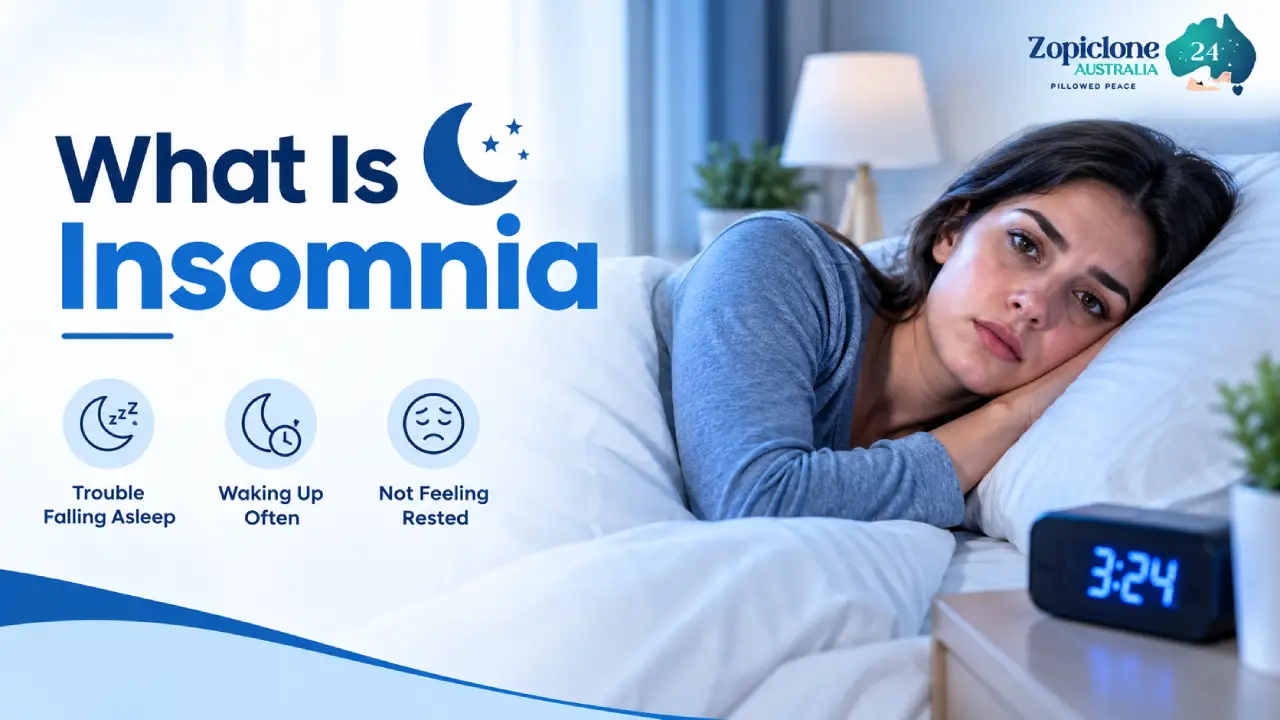
Sleep doesn’t switch on like a light; it’s more like a dimmer. Body temperature drops slightly, melatonin rises, and your brain shifts out of the alert state it’s held all day. Normally this takes 10 to 20 minutes. When it takes an hour or more, something’s interrupting that process, usually stress, screen light, or an inconsistent schedule.
This matters beyond feeling groggy the next day. Sleep is when your brain files away memories, your immune system does maintenance, and your mood gets a reset. Skimp on it and you’ll notice it in your focus, patience, and appetite. Working out how to fall asleep fast isn’t really about the sleep itself; it’s about everything sleep supports.
Why You May Be Struggling to Fall Asleep
A few usual suspects tend to be behind most sleepless nights:
- Stress: your brain won’t power down while it’s still solving the day’s problems
- Anxiety: racing thoughts keep your nervous system on alert
- Blue light: phones and screens trick your brain into thinking it’s daytime
- Caffeine: that 3 pm coffee is probably still in your system at 9 pm
- An irregular schedule: confuses your body clock
- Late, heavy meals: digestion and sleep don’t mix well
- Alcohol: knocks you out fast, then wrecks your sleep later
- Your environment: too warm, bright, or noisy, and your body won’t settle
Most people have one or two of these driving the problem, so it’s worth figuring out which ones sound like you.
10 Science-Backed Techniques That Actually Work
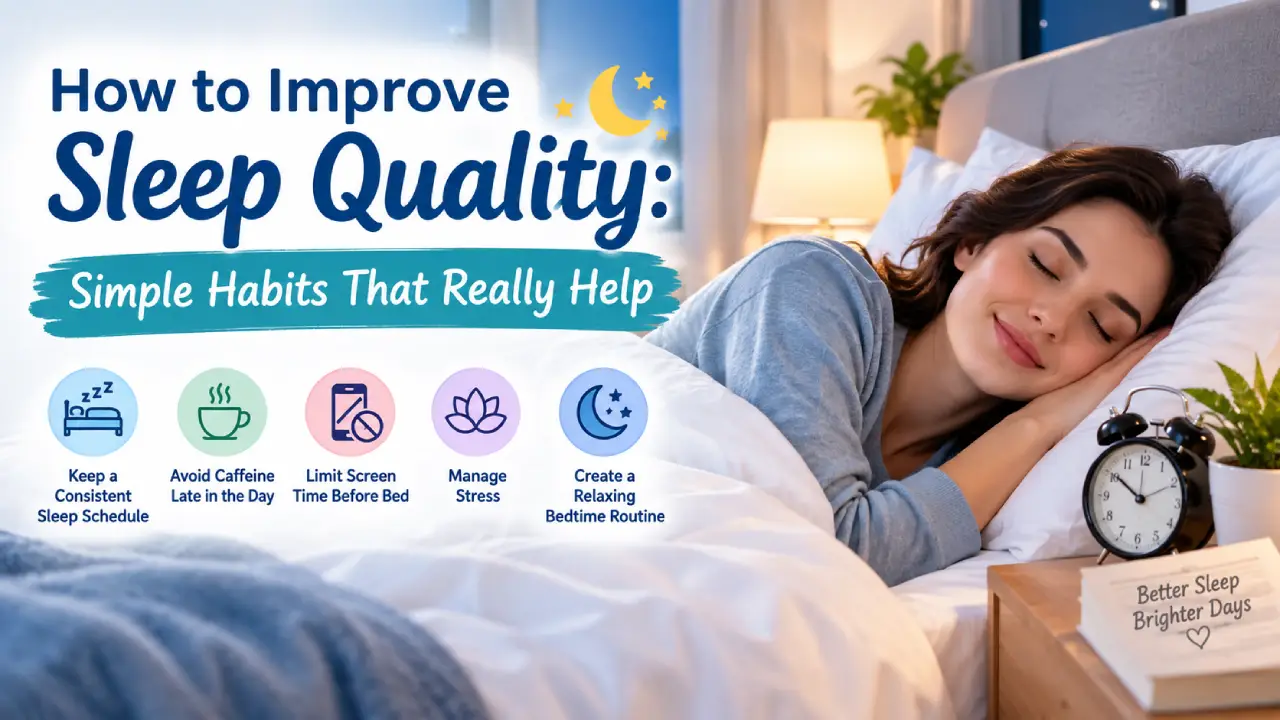
1. Keep a consistent sleep schedule. Same bedtime, same wake time, even on weekends. Your body clock runs on repetition; sleeping in until 11 am on Saturday undoes a lot of that progress.
2. Cut screens before bed. Blue light suppresses melatonin, so scrolling in bed basically tells your brain to stay awake. Try 30–60 screen-free minutes before lights out.
3. Make your room cool and dark. Around 18°C is the sweet spot; your body naturally cools as it prepares for sleep, and a warm room fights that. Blackout curtains or an eye mask help too.
4. Try slow breathing. The 4-7-8 method: inhale for 4 seconds, hold for 7, exhale for 8, nudges your nervous system out of alert mode. Don’t rush the exhale; that’s the part doing the work.
5. Try progressive muscle relaxation. Tense each muscle group for a few seconds, then release, working from your toes up. It pulls your focus away from whatever’s looping in your mind.
6. Watch your caffeine timing. Caffeine sticks around for five to six hours or more. An early-afternoon coffee can still be affecting you at bedtime, even if you don’t feel “wired.”
7. Go easy on daytime naps. A short nap is fine. A two-hour nap at 5 pm is sleep debt you’ll pay back at 1 am. Keep naps under 30 minutes and earlier in the day.
8. Read something physical instead of your phone. A paperback doesn’t blast light into your eyes, making it a low-stimulation way to ease into drowsiness.
9. Use white noise or ambient sound. A fan or steady white noise can mask the creaks and traffic noise that keep jolting you awake.
10. Get sunlight in the morning. Ten to fifteen minutes outside soon after waking sets your body clock for the day, making it easier to feel sleepy at the right time that night. Indoor lighting alone isn’t bright enough to do the job.
Foods and Drinks That May Improve Sleep
Worth having more of in the evening: kiwi (some evidence supports it for sleep quality), cherries (a natural melatonin source), almonds and other magnesium-rich foods like leafy greens and seeds (magnesium helps muscles relax), chamomile tea, and warm milk (contains tryptophan, a building block for melatonin).
Best to skip close to bedtime: caffeine in any form, alcohol, heavy or spicy meals, and large amounts of liquid, unless you enjoy 3 am bathroom trips.
When Should You See a Doctor?
The odd bad night isn’t a red flag. But it’s worth getting checked out if you’re dealing with chronic insomnia (trouble sleeping three or more nights a week for three months or longer), sleep apnoea (loud snoring, gasping for air, or exhaustion despite a full night in bed), restless legs syndrome, anxiety-driven insomnia, or any sleep issue genuinely disrupting your mood, focus, or daily life.
If a few weeks of better habits haven’t moved the needle, that’s your cue to book an appointment rather than keep white-knuckling it.
Safe Medical Options for Persistent Insomnia
Cognitive Behavioural Therapy for Insomnia (CBT-I) is usually the first thing doctors recommend for ongoing insomnia. It tackles the thoughts and habits that keep the cycle going, and the evidence behind it is strong, often outlasting what medication alone can achieve.
Lifestyle changes: consistent schedule, less screen time, stress management, and staying important, even if you need more support on top of them.
Prescription sleep medicines can have a place for short, severe stretches of insomnia, but only under a doctor’s supervision. They carry downsides like dependency, tolerance, and next-day grogginess, which is why they’re typically short-term, alongside efforts to fix the underlying cause rather than as a permanent fix.
When Sleep Medication May Be Appropriate
Sometimes lifestyle changes and therapy aren’t fast enough, especially when insomnia has become severe or is genuinely disrupting daily life. In those cases, a doctor might consider short-acting prescription options, including z-drugs like zopiclone, as part of a broader plan.
These medicines boost the effect of GABA, a calming brain chemical, which shortens the time it takes to fall asleep. They’re prescription-only in Australia because they carry real risks: dependency, next-day drowsiness, interactions with other medications or alcohol, and they’re not the right fit for everyone. If you think medication might help, the right move is an honest conversation with your GP, ideally treating it as a short-term bridge alongside something like CBT-I, not a long-term crutch.
Frequently Asked Questions
1. How long should it take to fall asleep?
Most people fall asleep within 10 to 20 minutes. Regularly taking much longer is called sleep-onset insomnia, worth mentioning to a doctor if it keeps happening.
2. What is the fastest way to fall asleep naturally?
A cool dark room, a consistent bedtime, and a calming technique like 4-7-8 breathing work well together, especially paired with fewer screens and less caffeine in the evening.
3. Why can’t I sleep even when I’m tired?
Usually your mind is still “on” even though your body’s exhausted. Stress, screen use, or an irregular schedule can override physical tiredness easily.
4. Does melatonin help you fall asleep faster?
It can, particularly for shift workers or travellers whose body clocks are out of sync. It’s better for retiming sleep than as a nightly sedative.
5. Is it safe to use sleeping tablets every night?
Not generally. Most prescription sleep medicines are meant for short-term use, since nightly use risks tolerance or dependency. Chronic insomnia is usually better managed with CBT-I.
6. What foods help improve sleep quality?
Foods with melatonin, magnesium, or tryptophan, cherries, almonds, kiwi, and warm milk can gently support sleep. Chamomile tea is another mild option before bed.
7. When should I see a doctor for insomnia?
If it’s happening three or more nights a week for three months, or affecting your daily life, get it checked. Loud snoring, gasping at night, or restless legs are also worth flagging.
8. Can stress and anxiety stop me from falling asleep?
Yes, they keep your nervous system switched on, fighting the wind-down process sleep needs. Breathing exercises or journaling before bed can help take the edge off.
Conclusion
Figuring out how to fall asleep fast usually comes down to the boring-but-effective basics: a steady bedtime, a wind-down routine, a dark, cool room, and going easier on caffeine and screens in the evening. None of it is dramatic, but stack a few of these together, and most people notice a real difference within a couple of weeks. If you’ve genuinely tried and it’s still not working, talk to a doctor; lasting sleep usually comes from combining good habits with the right professional support when you actually need it.
Medical Disclaimer: This article is for educational purposes only and is not a substitute for professional medical advice, diagnosis, or treatment. Always consult a qualified healthcare provider before using prescription sleep medications or making changes to your treatment plan. Never ignore medical advice because of information you read online.
| Field | Details |
|---|---|
| Written By | Dr. Michael Anderson |
| Checked By | Dr. Daniel Thompson |
| Published Date | 4 August 2026 |
| Next Reviewed | December 2026 |
| Category | Sleep Health |
| Reading Time | 7 min |