7 Science-Backed Tips for Sleep Hygiene to Fix Your Sleep Schedule

Ever notice how one late night throws off your whole week? You go to bed at 1 am Friday, sleep until noon Saturday, and by Sunday you’re wide awake at midnight, dreading your alarm. This is common, and it usually comes down to habits rather than bad luck. That’s where Tips for Sleep Hygiene come in: the daily choices that either support your body’s natural sleep rhythm or work against it. Your bedroom, evening habits, daytime activity, and light exposure all add up. Below are seven practical, science-backed strategies to help nudge a messy sleep schedule back into shape.
What Is Sleep Hygiene and Why Does It Matter?
Sleep hygiene sounds clinical, but it’s simple: habits and surroundings that make good sleep more likely. Key pieces include consistent sleep and wake times, a wind-down routine, a sleep-friendly bedroom, avoiding caffeine and alcohol, staying active by day, and managing evening light.
Worth saying clearly: sleep hygiene isn’t a cure-all. Chronic insomnia or sleep apnoea usually need proper assessment from a health professional. Think of it as groundwork that sets the conditions for better sleep without guaranteeing it.
Tips for Sleep Hygiene: 7 Science-Backed Ways to Fix Your Sleep Schedule
A quick rundown before the detail: Tips for Sleep Hygiene include keeping a consistent sleep and wake schedule, building a relaxing bedtime routine, setting up a sleep-friendly bedroom, watching caffeine and alcohol, getting moving during the day, managing screens and evening light, and cutting out habits that quietly derail your schedule.
1. Keep a Consistent Sleep and Wake Schedule
Your body runs on an internal clock, roughly a 24-hour circadian rhythm, that signals when to feel sleepy and alert. Wake at a similar time every day, weekdays included, and on weekends stay within about an hour of your usual wake time. If your schedule’s badly disrupted, shift it gradually, 15 to 30 minutes every few days rather than an overnight overhaul, and avoid big swings between one night and the next.
2. Create a Relaxing Bedtime Routine
A predictable wind-down routine tells your brain the day is winding up. Reading an actual book, light stretching, breathing exercises, a warm shower, or quiet music all tend to work well. Stimulating activities right before bed- work emails, intense shows, stressful conversations- keep your mind too switched on to settle, so give yourself a 30 to 60 minute buffer.
3. Make Your Bedroom Sleep-Friendly
Where you sleep matters more than most people realise. Block out streetlights and early sun with curtains or blinds, use earplugs or white noise if outside noise is an issue, and keep the room cooler rather than warm. A mattress and pillows suited to how you sleep make a real difference, and less clutter, with work kept out of the bedroom where possible, helps too.
4. Be Careful With Caffeine, Alcohol and Late Meals
Evening food and drink affect sleep more than people realise. Caffeine can stay active in your system for hours, so a late coffee might still affect you at bedtime. Alcohol often makes you drowsy at first but tends to fragment sleep later on, and a heavy or spicy meal too close to bedtime can leave you uncomfortable. Everyone reacts a little differently, so notice how your own body responds.
5. Get Regular Daytime Physical Activity
Moving your body during the day is linked with better sleep; it burns off energy, eases stress, and keeps your body clock on track. A daily walk, light to moderate exercise, and daylight exposure all help. Intense exercise right before bed doesn’t suit everyone, so try shifting harder sessions earlier if that’s you.
6. Manage Screens, Light and Evening Stimulation
Bright light and stimulating content in the evening make it harder for your brain to shift into sleep mode, and it’s not just phones; overhead lighting and stressful content matter too. Dim the main lights an hour or two before bed, choose calmer viewing, and build in a screen-free stretch. Try to keep the bedroom mainly associated with sleep, not scrolling or work.
7. Avoid Habits That Can Disrupt Your Sleep Schedule
Some everyday habits quietly sabotage a decent routine: long or late naps, sleeping in for hours on days off, a shifting bedtime, working or scrolling from bed, and using the bedroom for stressful tasks. If you can’t fall asleep after roughly 20 minutes, get up, do something quiet under dim light, and return to bed once you feel sleepy.
How Sleep Hygiene Can Help With Insomnia
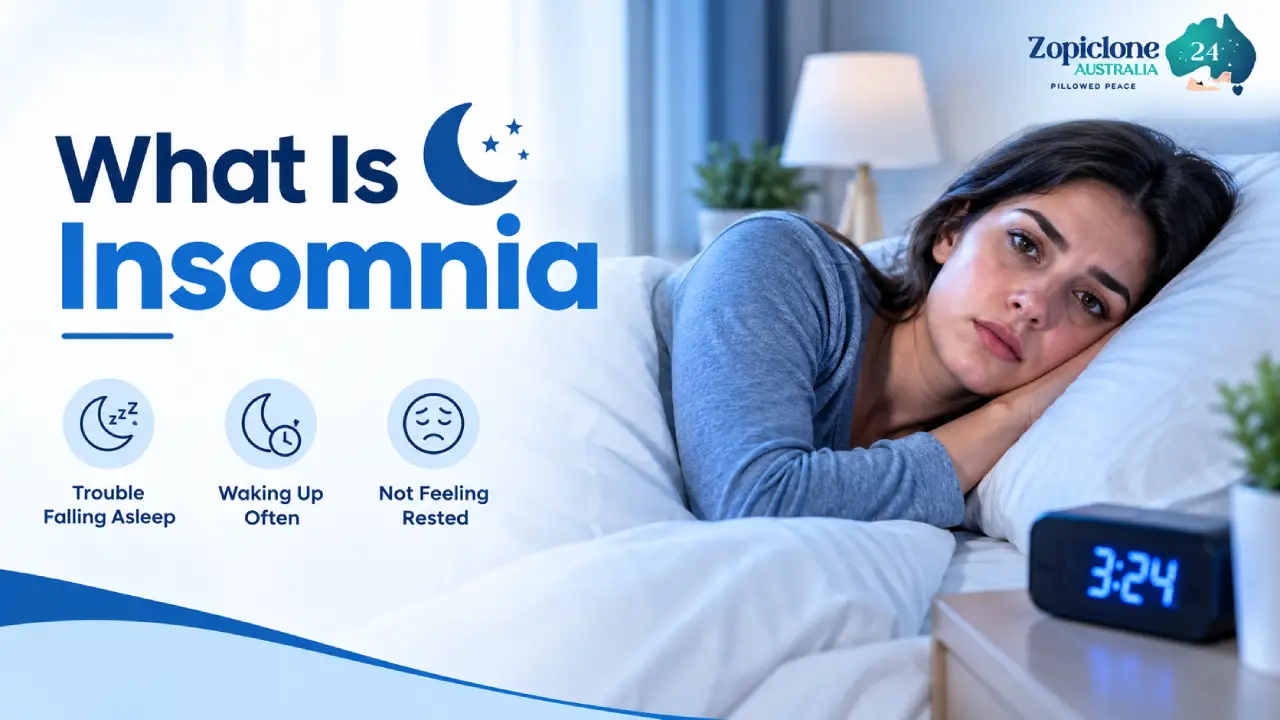
Insomnia looks different for different people: trouble falling asleep, waking repeatedly through the night, or waking too early and not drifting off again. It might be short-lived, tied to a stressful patch, or more ongoing. Poor habits, an inconsistent schedule, an unhelpful bedroom, a stimulating evening routine- can feed into or worsen these problems. This is where sleep hygiene for insomnia becomes genuinely relevant. Better habits are often one part of a wider approach, sometimes alongside cognitive behavioural strategies or, for some people, medical treatment. On its own, sleep hygiene usually isn’t enough to fully resolve chronic insomnia, so persistent problems are worth raising with a healthcare professional.
How Long Does It Take to Fix a Sleep Schedule?
There’s no set timeline that applies to everyone. Some people notice a difference within a week or two; others, especially with a long-disrupted schedule, take longer. What matters most is consistency and gradual change rather than an abrupt reset. Individual factors like age, stress, and general health play a part too, and staying consistent even after sleep improves helps stop old patterns creeping back.
Common Sleep Hygiene Mistakes to Avoid
- A bedtime that changes night to night
- Sleeping in dramatically on weekends
- Long or late afternoon naps
- Coffee or energy drinks late in the day
- Treating the bed like an office
- Watching something intense right before lights out
- Brushing off sleep problems instead of getting them checked
When Should You Seek Professional Help for Sleep Problems?
Sleep hygiene helps, but some signs point toward proper medical advice rather than trying harder alone: trouble falling asleep most nights, frequent night waking, constant daytime tiredness, loud snoring or breathing pauses (a possible sign of sleep apnoea), or sleep problems affecting work, driving, or daily life. A doctor can help work out whether something underlying is going on.
Exploring Sleep Medication Information
For readers researching prescription options for sleep problems, Zopiclone tablets in Australia should only be considered with appropriate medical guidance. If you are looking for information from a Trusted Zopiclone Provider in Australia, review the product details, prescribing requirements, potential side effects, and safety information carefully. Always consult a qualified healthcare professional before using prescription sleep medication to determine whether it is appropriate for your individual circumstances.
Frequently Asked Questions About Sleep Hygiene
What is sleep hygiene?
Sleep hygiene is the collection of everyday habits and surroundings that support good sleep, consistent timing, a calming pre-bed routine, and a comfortable bedroom, as well as evening choices such as caffeine and screen use.
What are the most important tips for Sleep Hygiene?
The most useful tips for Sleep Hygiene are a steady sleep and wake schedule, a wind-down routine, and a dark, quiet, comfortable bedroom, alongside being mindful of caffeine, alcohol, and screens.
How can tips on sleep hygiene help improve a sleep schedule?
Practical tips on sleep hygiene help retrain your body’s internal clock over time. A steady bedtime and calming routine help your body recognise when it’s time to sleep and when to be awake.
Can sleep hygiene help with insomnia?
It can, particularly with milder or occasional insomnia, and it’s often used alongside other approaches for more persistent cases. It’s not a guaranteed fix on its own; ongoing issues are worth raising with a professional.
Should I go to bed at the same time every night?
Yes, ideally. Going to bed around the same time, weekends included, is one of the more effective ways to keep your sleep schedule stable.
Does using my phone before bed affect sleep?
It can, partly from the light and partly from the mental stimulation of scrolling. A screen-free stretch before bed often makes it easier to relax and fall asleep.
How can I create a better bedtime routine?
A solid routine involves calm activities in roughly the same order each night, dimming the lights, a warm shower, maybe some reading. Predictability helps your brain recognise sleep is coming.
When should I see a doctor about ongoing sleep problems?
If sleep issues persist after weeks of genuinely healthy habits, or you notice loud snoring, breathing pauses, or ongoing daytime fatigue, it’s worth getting checked out.
Conclusion
Better sleep rarely comes from one big change; it’s usually small habits working together over time. Sticking to a steady schedule, having a wind-down routine, and paying attention to your bedroom, activity, and evening habits all play a part. These Tips for Sleep Hygiene won’t work like a switch flipping overnight, and how long it takes varies from person to person. If you’ve genuinely stuck with better habits and your sleep still isn’t improving, or you’re dealing with ongoing insomnia or other worrying symptoms, it’s worth talking to a healthcare professional.
Medical Disclaimer: This article is for general educational purposes only and is not a substitute for professional medical advice, diagnosis, or treatment. If you have persistent or concerning sleep problems, please consult a qualified healthcare professional.
| Field | Details |
|---|---|
| Written By | Dr. Michael Anderson |
| Checked By | Dr. Daniel Thompson |
| Published Date | 12 August 2026 |
| Next Reviewed | December 2026 |
| Category | Sleep Health |
| Reading Time | 7 min |