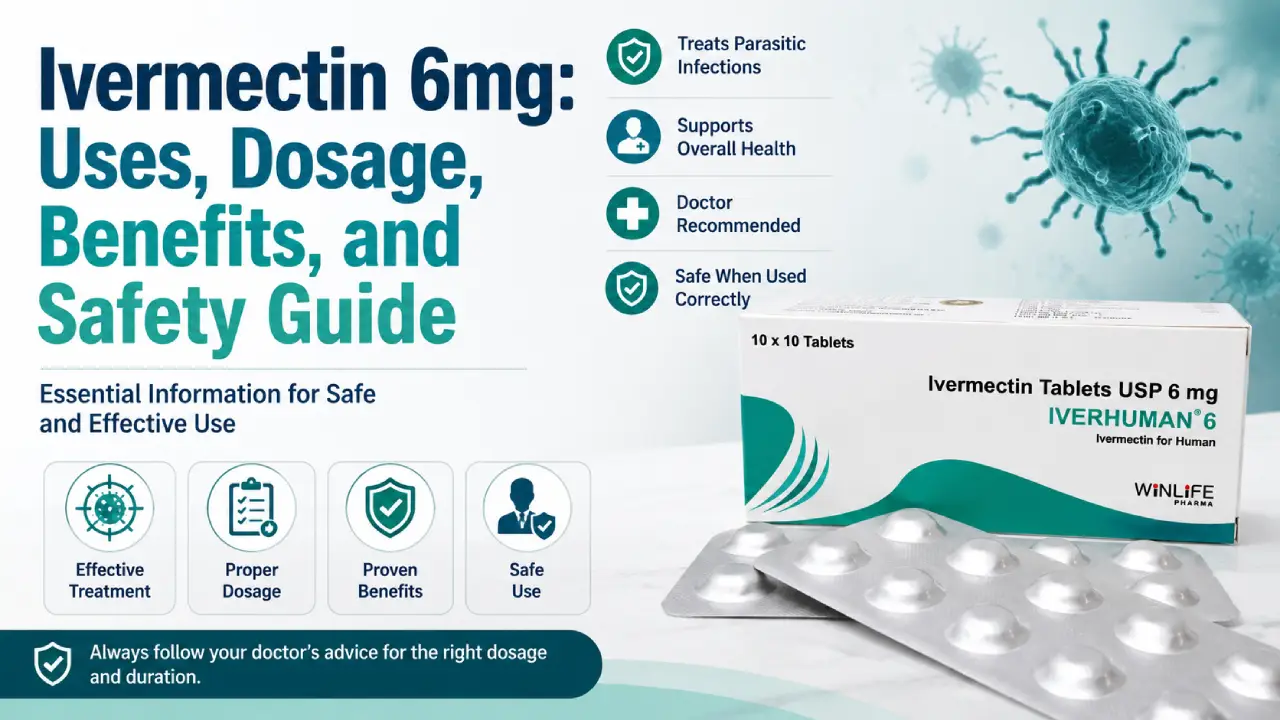
Understanding Ivermectin 12 mg: Uses, Precautions, and Side Effects
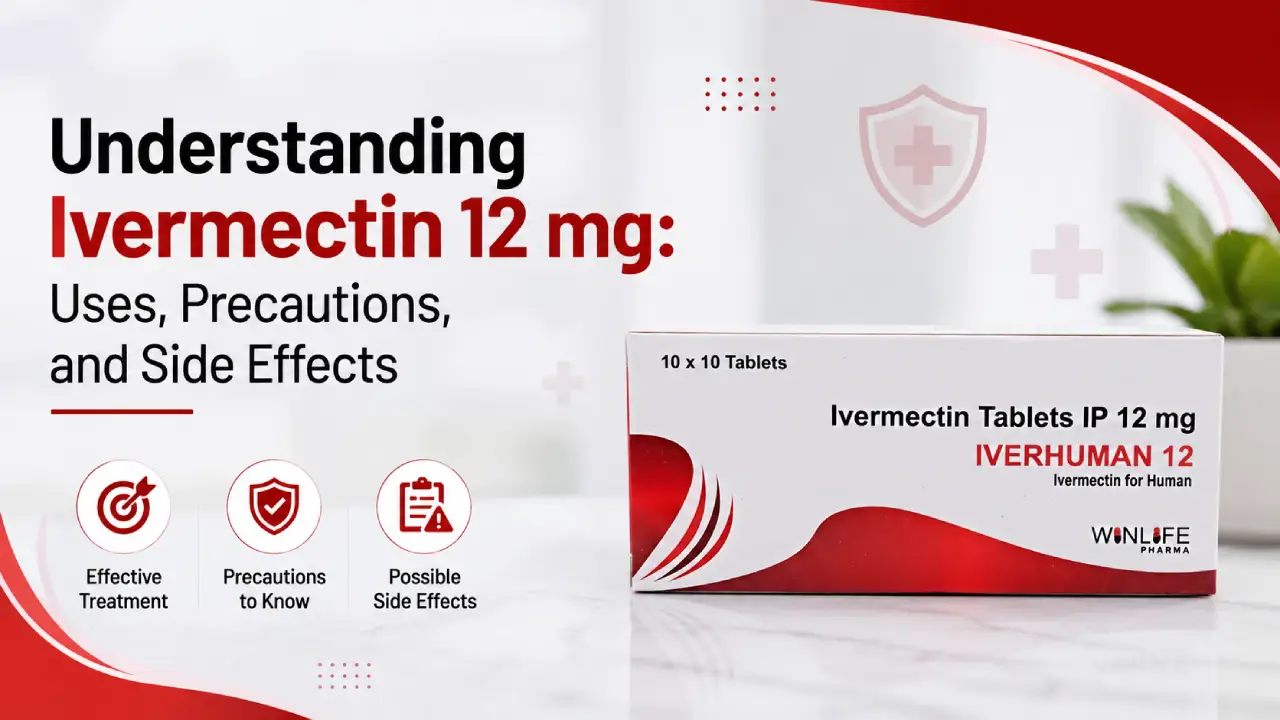
You’ve probably seen ivermectin mentioned somewhere, in the news, on a health forum, maybe on a pharmacy shelf. It’s a real medicine with a fairly narrow purpose, and one strength it comes in is Ivermectin 12 mg. Given how much confusion has swirled around this drug lately, it’s worth working through what it actually does, who it’s for, and what to watch out for. None of this replaces a conversation with your own doctor or pharmacist.
What Is Ivermectin?
Ivermectin belongs to a group of medicines called avermectins. It started out in veterinary medicine, decades ago, before researchers found a human application for it, and it’s now on the World Health Organization’s list of essential medicines for treating specific parasitic conditions.
How does it earn that spot? It acts on the nervous system of susceptible parasites, essentially jamming their nerve signalling until they’re paralysed and the body clears them. Doctors in Australia and elsewhere may prescribe it for certain worm infections or skin conditions caused by parasites, depending on what’s approved locally.
One thing worth remembering: this isn’t a catch-all medicine. What gets prescribed, in what form and for how long, comes down to the specific condition. Self-diagnosing and working from there is a genuinely bad idea.
Ivermectin 12 mg: What Does This Strength Mean?
An ivermectin 12 mg tablet just tells you how much active ingredient sits in that one tablet. That’s it. It says nothing about how many tablets someone should take, or how often; those are separate questions entirely, and mixing them up is where people run into trouble.
The actual dose comes down to things like the condition being treated, body weight, age, general health, and whatever else the person is taking. A doctor or pharmacist works all that out, not the packaging. So no, a 12 mg tablet isn’t some kind of default dose that applies across the board.
Ivermectin 12 mg Tablet Uses
Ask about ivermectin 12 mg tablet uses and the honest answer is: it depends where you are. Approved uses shift from country to country, and even between different products containing the same drug. Where it is approved for people, it’s generally tied to specific parasitic infections, some intestinal worms, and certain skin conditions caused by mites.
It’s not approved as a treatment for viral illnesses, and Australia’s Therapeutic Goods Administration hasn’t endorsed it for that purpose. If you come across claims suggesting otherwise, treat them with a healthy dose of scepticism. The safest move, if you’re wondering whether ivermectin applies to your situation, is asking a doctor directly rather than piecing it together from what you’ve read online.
How Does Ivermectin Work?
Strip away the jargon, and it comes down to this: ivermectin binds to specific channels in a parasite’s nerve and muscle cells, disrupting how those cells send signals. The parasite is paralysed, and either the immune system finishes the job, or it’s expelled naturally.
Human cells aren’t built the same way, which is roughly why this drug can be used in people without harming our own nervous systems. That said, it’s not risk-free at any dose, which is why getting the dosing right is a job for a healthcare professional, not guesswork.
Ivermectin 12 mg Tablet Dosage for Adults
Here’s the thing people often want a straight answer to, and there isn’t one: there’s no fixed ivermectin 12 mg tablet dosage for adults that applies to everyone. It shifts depending on the condition, the person’s weight, which product is being used, and what the prescribing doctor decides after looking at the full picture.
We’re not going to hand out a dosage figure here, and you shouldn’t take one from any general article, including this one. What’s right for someone else’s condition might be completely wrong for yours. That call belongs to a doctor or pharmacist who actually knows your history.
What Goes Into a Dosing Decision
| Factor | Why It Matters |
|---|---|
| Medical condition | Different conditions may require different treatment approaches |
| Body weight | Some ivermectin regimens are weight-based |
| Age | Age can affect prescribing considerations |
| Medical history | Certain conditions may require additional precautions |
| Other medicines | Drug interactions may affect safety |
| Formulation | Different ivermectin products may have different approved uses |
Think of this as a rough map of what a prescriber weighs up, not a chart you can use to work out your own dose.
Precautions Before Taking Ivermectin
A few things typically come up before a doctor prescribes ivermectin.
- Allergies: if you’ve reacted badly to ivermectin or something similar before, say so.
- Liver issues: the liver processes a lot of medicines, so existing problems there matter.
- Pregnancy or breastfeeding: this needs individual assessment; there’s no blanket answer.
- Age: both younger and older patients sometimes need extra consideration.
- Other health conditions: particularly anything neurological.
- Other medicines and supplements: including the ones you might not think to mention, like herbal products.
And once you’re prescribed something, sticking to the actual instructions- dose, timing, how long- matters more than people often assume.
Ivermectin Side Effects
Side effects vary from person to person, but the ones that come up most often include nausea, diarrhoea, dizziness, headache, fatigue, and skin reactions like rash or itching. Most of the time these are mild and pass on their own, though “most of the time” isn’t a guarantee for any individual.
When It’s Worth Calling Someone
Certain signs shouldn’t be brushed off: facial or throat swelling, trouble breathing, a spreading rash, sudden confusion, or severe dizziness. Anything that feels seriously off is worth a call to your doctor, pharmacist, or the Poisons Information Centre; better to check and be told it’s nothing than the alternative.
Drug Interactions and Safety Considerations
Tell your doctor or pharmacist everything you’re taking, prescription drugs, anything from the pharmacy shelf, vitamins, herbal remedies, all of it. Some combinations can raise the risk of side effects or blunt how well a medicine works, and a quick pharmacist check can catch problems before they start.
What to Know Before Buying Ivermectin Online
In Australia, ivermectin needs a prescription, and prescription medicines should come from properly regulated pharmacies, not just wherever turns up first in a search. That distinction matters because unregulated sellers can offer products that are counterfeit, mislabelled, past their expiry, or made without any real quality control.
If you’re looking into ivermectin buy online questions purely to understand what’s out there, a few red flags are worth knowing: sketchy labelling, missing expiry dates, and sellers making bold, unsupported claims are all signs to walk away. Legitimate ivermectin tablets 12mg products come with proper medical oversight attached, not just a shopping cart and a checkout button.
Promoting Our Ivermectin Information and Product Resources
Our site holds general information and product resources on Ivermectin 12 mg, including background on formats like ivermectin capsules, aimed at helping people understand the basics. None of it stands in for medical advice. Before acting on an ivermectin buy or ivermectin buy online decision, talk to a doctor or pharmacist first to confirm it’s actually appropriate, safe, and lawfully available for you.
Frequently Asked Questions About Ivermectin
1. What is ivermectin used for?
Mainly certain parasitic infections, some worm infections, and skin conditions caused by mites, depending on what’s approved where you live.
2. What are the main ivermectin 12 mg tablet uses?
Where approved, these tablets are used for specific parasitic conditions as determined by a doctor, not as a general treatment for anything and everything.
3. Is ivermectin 12 mg suitable for every adult?
No. It depends on weight, medical history, and other medicines; a doctor needs to weigh those up first.
4. What is the ivermectin 12 mg tablet dosage for adults?
There isn’t a single standard figure. It’s worked out individually, based on the condition and the person.
5. What are the common side effects of ivermectin?
Nausea, diarrhoea, dizziness, headache, fatigue, and skin reactions come up most often. Anything unusual or severe needs prompt medical attention.
6. Can ivermectin interact with other medicines?
Yes, potentially, which is why your doctor or pharmacist needs the full list of what you’re taking.
7. Can ivermectin be purchased online safely?
Only through a properly regulated pharmacy with a valid prescription. Unverified sellers carry real risk.
8. Should I speak with a doctor before taking ivermectin?
Yes, every time. A doctor confirms whether it’s right for your condition and, if so, works out a safe dose.
Conclusion
Used properly, ivermectin has a real place in treating certain parasitic conditions, but it’s not a one-size-fits-all fix, and it never has been. Getting your head around Ivermectin 12 mg means understanding that a tablet’s strength isn’t the same thing as your dose, that approved uses differ by country and product, and that side effects and interactions are worth taking seriously rather than shrugging off. The one step that matters more than anything else in this article: talk to a doctor or pharmacist before you start, stop, or buy this medicine.
Disclaimer: This article is for general informational purposes only and isn’t medical advice. It doesn’t replace professional consultation, diagnosis, or treatment. Always consult a qualified healthcare professional before using ivermectin.
| Field | Details |
|---|---|
| Written By | Dr. Michael Anderson |
| Checked By | Dr. Daniel Thompson |
| Published Date | 2 September 2026 |
| Next Reviewed | January 2027 |
| Category | Sleep Health |
| Reading Time | 7 min |